

Author: Zimbrick Honda
Welcome to your locally tailored Honda maintenance guide, designed specifically for drivers in Madison and its surrounding areas, including Fitchburg, Middleton, and Sun Prairie. At Zimbrick Honda, we’ve been part of this community for decades, gaining valuable insights into how local roads and Wisconsin’s unique climate can affect your vehicle’s performance. This guide will help you navigate your Honda’s recommended service schedule, ensuring your car remains in peak condition to handle everything from winter snow on the Beltline to summer trips to the Dane County Farmers’ Market.
Understanding the demands of our local driving conditions is crucial. Whether you’re commuting to work or enjoying a scenic drive around Lake Monona, our experience reflects the needs of Madison drivers like you. With our expert guidance, you can confidently keep your Honda performing at its best, no matter what the season brings.
Why Should You Follow a Maintenance Schedule for Your Honda?
Adhering to a maintenance schedule is crucial for protecting your investment in a Honda and ensuring it remains a dependable companion for all your travels around Madison. The unique climate here, with its hot summers and humid conditions, can put extra strain on fluids and belts, while the high pollen counts in spring can quickly clog air filters. Regular maintenance helps counter these local challenges, keeping your vehicle in top shape for everything from leisurely drives along Lake Monona to navigating the busy streets during the Dane County Farmers’ Market.
Sticking to the recommended service intervals not only enhances your vehicle’s performance and fuel efficiency but also boosts safety and peace of mind. For instance, a well-serviced Honda CR-V Hybrid is better suited for the frequent short trips to downtown or the longer commutes along the Beltline, ensuring it operates as intended. This proactive approach minimizes the risk of breakdowns, allowing you to enjoy every journey without worry. For further insights on vehicle care, resources like Edmunds can provide valuable information.
How Does Honda’s Service Reminder System Work?
Many Honda vehicles inform drivers when it’s time for maintenance through various reminder systems. Depending on the model and year, this could be a straightforward time/mileage counter or a more complex system that adjusts based on how the vehicle is used. Either way, the goal is to help you stay on top of your vehicle’s maintenance needs.
When maintenance is due, you might see a message on the dashboard, a service indicator like a wrench light, a maintenance reminder, or an oil-life percentage display. The specific alerts and their frequency can differ by model, so it’s always best to consult your owner’s manual for the correct schedule. Additionally, driving patterns in areas like Madison, Fitchburg, Middleton, and Sun Prairie-where short trips, stop-and-go traffic, towing, or seasonal temperature changes are common-can affect how often your vehicle requires service.
What Does the Primary Service Reminder Mean?
Understanding the primary service reminder is essential for maintaining your vehicle’s health. This alert serves as a high-level indication that scheduled maintenance is due or approaching. Depending on the model and year, some vehicles may display a simple message or light, while others offer a more detailed maintenance menu or additional indicators. To find out exactly what services are needed, it’s best to consult your owner’s manual or the in-vehicle maintenance display.
Primary reminder: This alert serves as a general reminder to check your vehicle’s maintenance schedule and plan for necessary services. It generally indicates that scheduled maintenance is due, but it may not specify every item that needs attention.
Additional details (if shown): In some vehicles, you may see extra information such as a maintenance screen, a percentage of service completion, or specific symbols. If your vehicle provides these details, use this information alongside the owner’s manual to confirm the services due.
What Do Additional Service Indicators Mean?
Many vehicles offer extra details beyond the primary service reminder, such as additional items, symbols, or menu entries. These indicators can help pinpoint what type of service might be due, but their specific meanings can vary by vehicle. It’s important to check your owner’s manual or the vehicle’s display for exact details. Below are some common examples that some vehicles may show.
- Tire rotation: Regular tire rotation is essential for even tread wear and optimal handling. In Madison, where you might encounter frequent stop-and-go traffic or highway driving to Fitchburg, this can significantly impact how quickly your tires wear down.
- Engine and cabin air filters: Engine air filters ensure proper airflow to the engine, while cabin air filters keep the interior air quality high. Dust and seasonal pollen, especially during spring in Fitchburg and Middleton, can clog these filters and necessitate more frequent replacements.
- Transmission fluid: Monitoring transmission fluid levels is important for long-term performance. If your driving includes lots of short trips or hilly terrain, this can create additional heat and stress on the transmission, potentially leading to earlier service needs.
- Spark plugs and valve clearance check (when applicable): Spark plug replacement is typically required at specific intervals, and some engines also need valve clearance checks. These services are often associated with higher mileage or time-based maintenance schedules.
- Engine coolant: Engine coolant plays a key role in regulating temperature and protecting engine components. Hot summer weather or extended highway driving around Lake Mendota can put extra demands on your cooling system, so regular checks are advisable.
- Rear differential fluid (AWD/4WD, if equipped): For vehicles with all-wheel drive or four-wheel drive, the differential fluid may require servicing. Driving in wet conditions or on uneven surfaces around Sun Prairie can increase the strain on these systems.
- Brake fluid: Brake fluid can absorb moisture over time, which may affect braking performance. If your vehicle lists brake fluid service, it’s important to follow the recommended interval to ensure safety.
What is a Typical Honda Service Schedule for Madison Drivers?
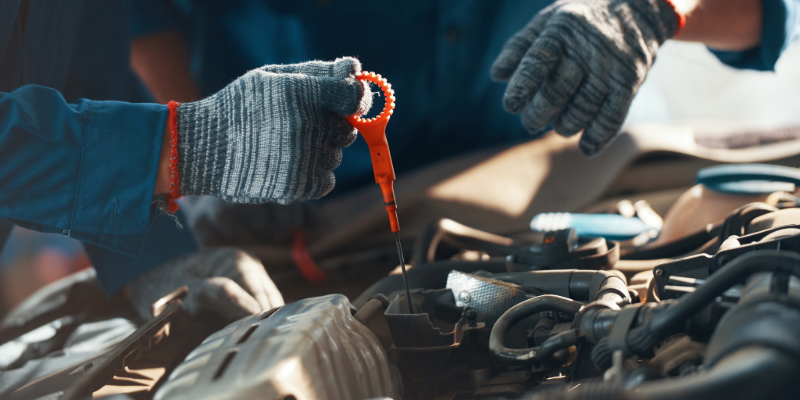
While your Honda may come equipped with service reminders or maintenance information, having an understanding of common maintenance milestones can be incredibly useful for planning ahead. This overview serves as a helpful reference that complements your owner’s manual and any in-vehicle guidance, accounting for typical driving conditions around Madison, such as short trips, stop-and-go traffic on roads like East Washington Avenue, and the impact of seasonal temperature variations.
What Services Are Needed in the First 30,000 Miles?
During the first 30,000 miles of ownership, Honda drivers typically encounter essential services such as routine oil changes, tire rotations, and filter replacements. The specific timing for these services can vary widely based on the particular Honda model, driving habits, and the vehicle’s maintenance guidelines.
Oil service: Most Honda vehicles generally require an oil change based on usage. If your driving involves frequent short trips or stop-and-go conditions around Madison, Fitchburg, Middleton, or Sun Prairie, you might find that your oil service is needed sooner than for those who drive primarily on highways.
Tires and filters: Tire rotations are often recommended at regular intervals to ensure even tire wear. Additionally, engine and cabin air filters should be monitored closely, as local environmental factors such as dust from construction and seasonal pollen can lead to faster buildup.
What Maintenance Should Be Done Between 30,000 and 60,000 Miles?
Between 30,000 and 60,000 miles, maintenance often shifts from basic upkeep to more critical services that protect your Honda’s key systems. The specific timing of these services can vary based on your vehicle model, powertrain, and driving habits, so it’s essential to refer to your owner’s manual and any in-vehicle maintenance reminders for guidance.
Transmission fluid: Service for your transmission fluid is often recommended, particularly if your driving includes frequent stop-and-go traffic, short trips, or hilly terrain, such as around Madison’s busy roads like Mineral Point Road or East Washington Avenue. Keeping your transmission fluid fresh is vital for smooth gear shifting and the long-term reliability of one of your vehicle’s most complex systems.
Brake fluid, brakes, and tires: Brake fluid replacement is typically recommended every few years, as it can degrade over time. Regular inspections of your brakes and tires become increasingly important to ensure safe stopping and handling, especially during wet weather or when navigating the Beltline (I-39/I-90/I-94). For those looking for a broader perspective on vehicle reliability and owner satisfaction, Consumer Reports can be a helpful resource.
What Major Services are Required Approaching 100,000 Miles?
As your Honda approaches the 100,000-mile mark, certain key maintenance services often become a focal point for vehicle owners. The specific needs can vary based on the model and engine type, so it’s wise to consult your owner’s manual and in-vehicle maintenance information for tailored guidance.
Spark plugs: Fresh spark plugs can enhance engine efficiency, promote smooth operation, and improve reliability, especially as wear accumulates from years of driving through Madison’s diverse weather and road conditions.
Timing belt (if applicable) and coolant service: Some older Honda engines utilize timing belts that may require scheduled replacements, while many models feature timing chains that typically don’t have a routine replacement interval. Regular coolant service, which includes flushing and replacing old coolant, is also often recommended to protect the cooling system from corrosion and overheating, ensuring your Honda runs smoothly even during the hottest summers or coldest winters.
Why is Local Expertise Important for Servicing Your Honda?
Having a service team that understands the unique driving conditions of Madison and its surroundings is invaluable. Here, fluctuating temperatures during summer can push your A/C system to its limits, while high humidity often leads to moisture-related issues in your vehicle. The pollen from local flora can clog air filters, and the clay-rich soil can contribute to specific wear on suspension components. When navigating the busy traffic patterns along East Washington Avenue or the Beltline (I-39/I-90/I-94), our technicians are trained to watch for region-specific wear and tear. This local expertise means your Honda is better prepared to handle the challenges presented by our climate and road conditions.
Furthermore, understanding these localized factors allows our team to perform more precise inspections and maintenance on models like the CR-V Hybrid or Accord. They can proactively address potential issues before they escalate, ensuring your vehicle stays in top condition. For more information on automotive safety and maintenance, we recommend visiting the National Highway Traffic Safety Administration (NHTSA) for comprehensive resources.
Frequently Asked Questions (FAQs)
How often should I really change my oil in Madison’s climate?
Your best guide for oil change intervals is your vehicle’s service reminder or owner’s manual, as factors like driving habits and local conditions can influence timing. For many drivers in Madison, particularly with our variable seasons, changing the oil regularly is common, especially if you frequently drive in stop-and-go traffic or during harsh winter conditions.
Are all-season tires enough for winter driving in Madison?
While high-quality all-season tires suffice for most of the year, they may not provide optimal traction during Madison’s snowy winters. For better grip on icy roads, consider switching to winter tires when the temperatures drop.
Does commuting on local highways affect my vehicle’s service intervals?
Yes, it does. Consistent stop-and-go traffic on the Beltline or East Washington Avenue can put extra strain on your vehicle, potentially necessitating more frequent maintenance than highway driving would. If your Honda has a service reminder system, it may adjust for this and alert you accordingly.
How often should I change my cabin air filter to combat pollen in the spring?
Inspecting your cabin air filter annually is a good practice, especially after the heavy pollen season. Many Madison drivers find that regular replacement keeps air quality inside their Honda fresh and ensures the A/C system functions effectively during hot summers.
Is all-wheel drive (AWD) worth it for driving in Madison?
A Honda with available AWD can be a valuable asset during Madison’s snowy winters or heavy rains, providing enhanced traction and stability. This added confidence is especially useful for navigating local roads and highways during inclement weather.
What maintenance schedule should I follow for older Honda models without a service reminder?
If your vehicle lacks a service reminder system, it’s wise to follow the maintenance schedule outlined in your owner’s manual for other components, ensuring your Honda remains reliable on city streets and beyond.
About Zimbrick Honda
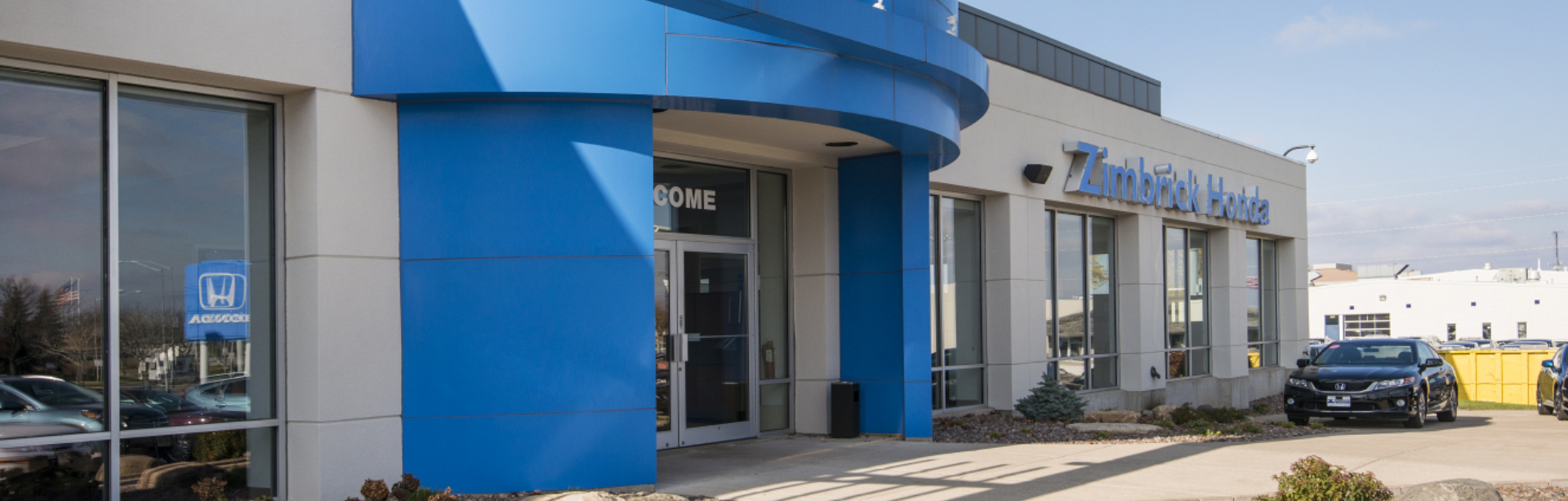
At Zimbrick Honda, our family-owned dealership has proudly served the Madison community since 1973. Our commitment to excellence has earned us numerous Best of Madison and People’s Choice awards for sales, service, and even best oil change. We show our appreciation for your business with unique perks like a complimentary tank of gas with your purchase and a free car wash with service. Giving back is also important to us, which is why we are one of the top ten contributors to the United Way of Dane County. We invite you to experience the award-winning service and community focus that sets our team apart.
Related Articles:
The Ultimate Guide to Finding the Best Honda Dealer in Madison, WI
Connect with us
