
Blog / Honda Information

Honda Recommended Service Schedule Explained

service

Author: Zimbrick Honda

Welcome to your locally tailored Honda maintenance guide, designed specifically for drivers in Madison and its surrounding areas, including Fitchburg, Middleton, and Sun Prairie. At Zimbrick Honda, we've been part of this community for decades, gaining valuable insights into how local roads and Wisconsin's unique climate can affect your vehicle's performance. This guide will help you navigate your Honda's recommended service schedule, ensuring your car remains in peak condition to handle everything from winter snow on the Beltline to summer trips to the Dane County Farmers' Market.

Understanding the demands of our local driving conditions is crucial. Whether you're commuting to work or enjoying a scenic drive around Lake Monona, our experience reflects the needs of Madison drivers like you. With our expert guidance, you can confidently keep your Honda performing at its best, no matter what the season brings.

Why Should You Follow a Maintenance Schedule for Your Honda?

Adhering to a maintenance schedule is crucial for protecting your investment in a Honda and ensuring it remains a dependable companion for all your travels around Madison. The unique climate here, with its hot summers and humid conditions, can put extra strain on fluids and belts, while the high pollen counts in spring can quickly clog air filters. Regular maintenance helps counter these local challenges, keeping your vehicle in top shape for everything from leisurely drives along Lake Monona to navigating the busy streets during the Dane County Farmers' Market.

Sticking to the recommended service intervals not only enhances your vehicle's performance and fuel efficiency but also boosts safety and peace of mind. For instance, a well-serviced Honda CR-V Hybrid is better suited for the frequent short trips to downtown or the longer commutes along the Beltline, ensuring it operates as intended. This proactive approach minimizes the risk of breakdowns, allowing you to enjoy every journey without worry. For further insights on vehicle care, resources like Edmunds can provide valuable information.

How Does Honda's Service Reminder System Work?

Many Honda vehicles inform drivers when it's time for maintenance through various reminder systems. Depending on the model and year, this could be a straightforward time/mileage counter or a more complex system that adjusts based on how the vehicle is used. Either way, the goal is to help you stay on top of your vehicle's maintenance needs.

When maintenance is due, you might see a message on the dashboard, a service indicator like a wrench light, a maintenance reminder, or an oil-life percentage display. The specific alerts and their frequency can differ by model, so it's always best to consult your owner's manual for the correct schedule. Additionally, driving patterns in areas like Madison, Fitchburg, Middleton, and Sun Prairie-where short trips, stop-and-go traffic, towing, or seasonal temperature changes are common-can affect how often your vehicle requires service.

What Does the Primary Service Reminder Mean?

Understanding the primary service reminder is essential for maintaining your vehicle's health. This alert serves as a high-level indication that scheduled maintenance is due or approaching. Depending on the model and year, some vehicles may display a simple message or light, while others offer a more detailed maintenance menu or additional indicators. To find out exactly what services are needed, it's best to consult your owner's manual or the in-vehicle maintenance display.

Primary reminder: This alert serves as a general reminder to check your vehicle's maintenance schedule and plan for necessary services. It generally indicates that scheduled maintenance is due, but it may not specify every item that needs attention.

Additional details (if shown): In some vehicles, you may see extra information such as a maintenance screen, a percentage of service completion, or specific symbols. If your vehicle provides these details, use this information alongside the owner's manual to confirm the services due.

What Do Additional Service Indicators Mean?

Many vehicles offer extra details beyond the primary service reminder, such as additional items, symbols, or menu entries. These indicators can help pinpoint what type of service might be due, but their specific meanings can vary by vehicle. It's important to check your owner's manual or the vehicle's display for exact details. Below are some common examples that some vehicles may show.

  • Tire rotation: Regular tire rotation is essential for even tread wear and optimal handling. In Madison, where you might encounter frequent stop-and-go traffic or highway driving to Fitchburg, this can significantly impact how quickly your tires wear down.
  • Engine and cabin air filters: Engine air filters ensure proper airflow to the engine, while cabin air filters keep the interior air quality high. Dust and seasonal pollen, especially during spring in Fitchburg and Middleton, can clog these filters and necessitate more frequent replacements.
  • Transmission fluid: Monitoring transmission fluid levels is important for long-term performance. If your driving includes lots of short trips or hilly terrain, this can create additional heat and stress on the transmission, potentially leading to earlier service needs.
  • Spark plugs and valve clearance check (when applicable): Spark plug replacement is typically required at specific intervals, and some engines also need valve clearance checks. These services are often associated with higher mileage or time-based maintenance schedules.
  • Engine coolant: Engine coolant plays a key role in regulating temperature and protecting engine components. Hot summer weather or extended highway driving around Lake Mendota can put extra demands on your cooling system, so regular checks are advisable.
  • Rear differential fluid (AWD/4WD, if equipped): For vehicles with all-wheel drive or four-wheel drive, the differential fluid may require servicing. Driving in wet conditions or on uneven surfaces around Sun Prairie can increase the strain on these systems.
  • Brake fluid: Brake fluid can absorb moisture over time, which may affect braking performance. If your vehicle lists brake fluid service, it's important to follow the recommended interval to ensure safety.

What is a Typical Honda Service Schedule for Madison Drivers?
service_about_us

While your Honda may come equipped with service reminders or maintenance information, having an understanding of common maintenance milestones can be incredibly useful for planning ahead. This overview serves as a helpful reference that complements your owner's manual and any in-vehicle guidance, accounting for typical driving conditions around Madison, such as short trips, stop-and-go traffic on roads like East Washington Avenue, and the impact of seasonal temperature variations.

What Services Are Needed in the First 30,000 Miles?

During the first 30,000 miles of ownership, Honda drivers typically encounter essential services such as routine oil changes, tire rotations, and filter replacements. The specific timing for these services can vary widely based on the particular Honda model, driving habits, and the vehicle's maintenance guidelines.

Oil service: Most Honda vehicles generally require an oil change based on usage. If your driving involves frequent short trips or stop-and-go conditions around Madison, Fitchburg, Middleton, or Sun Prairie, you might find that your oil service is needed sooner than for those who drive primarily on highways.

Tires and filters: Tire rotations are often recommended at regular intervals to ensure even tire wear. Additionally, engine and cabin air filters should be monitored closely, as local environmental factors such as dust from construction and seasonal pollen can lead to faster buildup.

What Maintenance Should Be Done Between 30,000 and 60,000 Miles?

Between 30,000 and 60,000 miles, maintenance often shifts from basic upkeep to more critical services that protect your Honda's key systems. The specific timing of these services can vary based on your vehicle model, powertrain, and driving habits, so it's essential to refer to your owner's manual and any in-vehicle maintenance reminders for guidance.

Transmission fluid: Service for your transmission fluid is often recommended, particularly if your driving includes frequent stop-and-go traffic, short trips, or hilly terrain, such as around Madison's busy roads like Mineral Point Road or East Washington Avenue. Keeping your transmission fluid fresh is vital for smooth gear shifting and the long-term reliability of one of your vehicle's most complex systems.

Brake fluid, brakes, and tires: Brake fluid replacement is typically recommended every few years, as it can degrade over time. Regular inspections of your brakes and tires become increasingly important to ensure safe stopping and handling, especially during wet weather or when navigating the Beltline (I-39/I-90/I-94). For those looking for a broader perspective on vehicle reliability and owner satisfaction, Consumer Reports can be a helpful resource.

What Major Services are Required Approaching 100,000 Miles?

As your Honda approaches the 100,000-mile mark, certain key maintenance services often become a focal point for vehicle owners. The specific needs can vary based on the model and engine type, so it's wise to consult your owner's manual and in-vehicle maintenance information for tailored guidance.

Spark plugs: Fresh spark plugs can enhance engine efficiency, promote smooth operation, and improve reliability, especially as wear accumulates from years of driving through Madison's diverse weather and road conditions.

Timing belt (if applicable) and coolant service: Some older Honda engines utilize timing belts that may require scheduled replacements, while many models feature timing chains that typically don't have a routine replacement interval. Regular coolant service, which includes flushing and replacing old coolant, is also often recommended to protect the cooling system from corrosion and overheating, ensuring your Honda runs smoothly even during the hottest summers or coldest winters.

Why is Local Expertise Important for Servicing Your Honda?

Having a service team that understands the unique driving conditions of Madison and its surroundings is invaluable. Here, fluctuating temperatures during summer can push your A/C system to its limits, while high humidity often leads to moisture-related issues in your vehicle. The pollen from local flora can clog air filters, and the clay-rich soil can contribute to specific wear on suspension components. When navigating the busy traffic patterns along East Washington Avenue or the Beltline (I-39/I-90/I-94), our technicians are trained to watch for region-specific wear and tear. This local expertise means your Honda is better prepared to handle the challenges presented by our climate and road conditions.

Furthermore, understanding these localized factors allows our team to perform more precise inspections and maintenance on models like the CR-V Hybrid or Accord. They can proactively address potential issues before they escalate, ensuring your vehicle stays in top condition. For more information on automotive safety and maintenance, we recommend visiting the National Highway Traffic Safety Administration (NHTSA) for comprehensive resources.

Frequently Asked Questions (FAQs)

How often should I really change my oil in Madison's climate?

Your best guide for oil change intervals is your vehicle's service reminder or owner's manual, as factors like driving habits and local conditions can influence timing. For many drivers in Madison, particularly with our variable seasons, changing the oil regularly is common, especially if you frequently drive in stop-and-go traffic or during harsh winter conditions.

Are all-season tires enough for winter driving in Madison?

While high-quality all-season tires suffice for most of the year, they may not provide optimal traction during Madison's snowy winters. For better grip on icy roads, consider switching to winter tires when the temperatures drop.

Does commuting on local highways affect my vehicle's service intervals?

Yes, it does. Consistent stop-and-go traffic on the Beltline or East Washington Avenue can put extra strain on your vehicle, potentially necessitating more frequent maintenance than highway driving would. If your Honda has a service reminder system, it may adjust for this and alert you accordingly.

How often should I change my cabin air filter to combat pollen in the spring?

Inspecting your cabin air filter annually is a good practice, especially after the heavy pollen season. Many Madison drivers find that regular replacement keeps air quality inside their Honda fresh and ensures the A/C system functions effectively during hot summers.

Is all-wheel drive (AWD) worth it for driving in Madison?

A Honda with available AWD can be a valuable asset during Madison's snowy winters or heavy rains, providing enhanced traction and stability. This added confidence is especially useful for navigating local roads and highways during inclement weather.

What maintenance schedule should I follow for older Honda models without a service reminder?

If your vehicle lacks a service reminder system, it's wise to follow the maintenance schedule outlined in your owner's manual for other components, ensuring your Honda remains reliable on city streets and beyond.
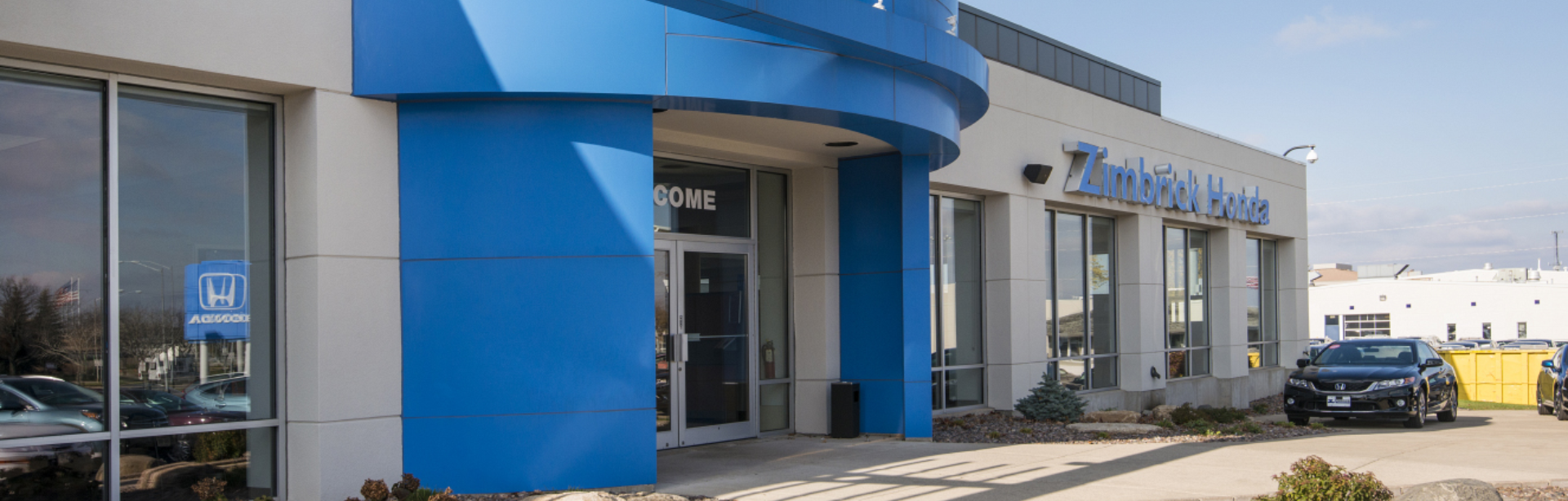
Zimbrick Honda storefront

About Zimbrick Honda

At Zimbrick Honda, our family-owned dealership has proudly served the Madison community since 1973. Our commitment to excellence has earned us numerous Best of Madison and People's Choice awards for sales, service, and even best oil change. We show our appreciation for your business with unique perks like a complimentary tank of gas with your purchase and a free car wash with service. Giving back is also important to us, which is why we are one of the top ten contributors to the United Way of Dane County. We invite you to experience the award-winning service and community focus that sets our team apart.

Related Articles:

The Ultimate Guide to Finding the Best Honda Dealer in Madison, WI
Posted in:

Related Posts

Honda CR-V e:FCEV

Understanding the Honda CR-V e:FCEV: Batteries, Motors, and Regeneration

Author: Zimbrick Honda As electric vehicles (EVs) gain traction in Madison and the surrounding areas, many local drivers are eager to understand how they work. At Zimbrick Honda, we have a strong commitment to educating our community about these innovative technologies. In this guide, we'll break down the essential components of Honda EVs, including batteries, motors, and regenerative braking, using straightforward language. By the end, you'll have a clearer picture of what makes these vehicles tick and how they can benefit your daily driving experience. How Does a Honda EV Battery Power Your Drive? The battery in a Honda electric vehicle (EV) is essential for your driving experience. It acts like a fuel tank, but instead of storing gasoline, it holds electrical energy to power your ride. This high-voltage lithium-ion battery is typically located beneath the vehicle's floor. This positioning lowers the center of gravity, enhancing stability and handling-especially important for navigating the hilly roads of Madison and nearby Fitchburg. When you accelerate, the battery delivers a smooth flow of direct current (DC) electricity to the motor, providing instant torque that makes driving feel effortless. Charging is convenient too; you can plug it in at home or use one of the many public charging stations in areas like Middleton and Sun Prairie. Low Center of Gravity: This design improves handling on curvy roads, making your drive safer and more enjoyable. Stable Performance: Whether you're tackling the hills of the Wisconsin State Capitol area or cruising by Lake Mendota, the vehicle's balance enhances your confidence behind the wheel. Home Charging: Most Honda EVs can be charged overnight at home, ensuring you start each day with a full battery. Public Charging Options: With numerous charging stations in Madison, you can easily top off your battery while running errands or enjoying local attractions. Instant Torque: Experience quick acceleration that makes merging onto the Beltline (I-39/I-90/I-94) a breeze. For more insights about vehicle batteries and performance, check out Kelley Blue Book. What Role Does the Electric Motor Play in a Honda EV? The electric motor in a Honda EV is crucial for transforming electrical energy from the battery into the motion that drives the wheels. This motor is designed to be simple yet highly efficient and durable, making it a reliable choice for daily driving around Madison and nearby areas. When you press the accelerator, the inverter plays a key role by converting the battery's direct current (DC) into alternating current (AC) power, which the motor uses. This process generates a rotating magnetic field within the motor, which then spins the rotor and activates the vehicle's axles. What this means for drivers in Madison is instant torque-providing immediate acceleration that's especially beneficial for merging onto the Beltline during busy commutes or navigating through the bustling streets of Sun Prairie. With smooth acceleration and quiet operation, Honda EVs offer an enjoyable driving experience, whether you're heading to the Dane County Farmers' Market or taking a scenic drive along Lake Monona. The simplicity and efficiency of the electric motor ensure that you can rely on your Honda for years to come, making it a smart choice for local families and professionals alike. How Regenerative Braking Extends Your Range Regenerative braking is an innovative feature in Honda electric vehicles (EVs) that enhances efficiency and extends driving range, especially for the varied terrains around Madison, Fitchburg, Middleton, and Sun Prairie. This system captures energy that would otherwise be wasted during braking, providing a dual benefit of increasing range while reducing brake wear. Here's how it works: when you lift your foot off the accelerator or press the brake pedal, the electric motor switches roles. Instead of consuming energy to move the vehicle, the momentum from the wheels turns the motor, causing it to act as a generator. This process converts kinetic energy back into electricity, which is then stored in the battery. For instance, navigating the hills along the Beltline or stopping frequently on East Washington Avenue allows your Honda to recover energy efficiently, making it particularly beneficial for daily commutes. This regenerative process not only enhances your driving range but also lessens the wear on your brake components, which can lead to lower maintenance costs over time. Here's what you might notice while driving: Stronger slowdown feel: A noticeable deceleration occurs when you ease off the accelerator. Range gains: Your driving range can increase due to the energy recaptured during braking. Less frequent brake replacements: Reduced wear on brake pads means fewer replacements. So, whether you're navigating the hilly streets of Middleton or dealing with stop-and-go traffic near the Dane County Farmers' Market, regenerative braking optimizes your driving experience and keeps your Honda running efficiently. For more insights on how this technology works, check out Edmunds. What Affects a Honda EV's Battery Range and Performance? Several factors can impact the distance your Honda EV travels on a single charge and its overall performance. Understanding these elements helps you manage your vehicle's efficiency effectively, especially for drivers in Madison and surrounding areas like Fitchburg, Middleton, and Sun Prairie. Driving Style: Aggressive driving, including rapid acceleration and high speeds, can significantly reduce range. For instance, if you frequently navigate through downtown Madison's busy streets or take fast-paced trips along the Beltline, you might notice a drop in battery life. In contrast, adopting a smoother driving approach while commuting can help you get the most out of your charge. Terrain: The local landscape plays a crucial role in energy consumption. Driving in hilly areas, like those near Lake Monona, requires more energy than cruising on flat terrain. However, when you drive downhill, regenerative braking can recover some energy, boosting efficiency. This means that the varied elevations around Middleton can impact your range, so knowing your route can help you plan better. Temperature: Wisconsin weather, with its cold winters and warm summers, affects battery performance. Extreme temperatures can temporarily decrease an EV's range, a common occurrence for all electric vehicles. For example, during winter months, you might find that your Honda EV's range is lessened on particularly frigid days. To combat this, consider using the pre-conditioning feature while your vehicle is charging to optimize battery performance. Cabin Comfort: Climate control systems, such as heating and air conditioning, draw power from the battery. While modern Honda EVs are designed to be energy-efficient, utilizing the heater during cold winter mornings in Sun Prairie can impact your range. Balancing comfort and energy use is key, so try adjusting settings wisely to maintain efficiency while enjoying your ride. How Do You Maintain a Honda EV? Maintaining a Honda electric vehicle is typically easier and more cost-effective than caring for traditional gasoline cars. With significantly fewer moving parts, there's less to worry about when it comes to service and upkeep. For Madison drivers, this means no oil changes and no spark plug replacements. Instead, focus on essential maintenance tasks like brake inspections, tire rotations, fluid and coolant checks, and general EV system assessments. These tasks help ensure your vehicle runs smoothly on local roads, whether you're navigating through traffic on East Washington Avenue or enjoying a drive to the Dane County Farmers' Market. Importantly, the battery and motor in your Honda EV are engineered for long-lasting performance, requiring minimal routine maintenance. For those who appreciate in-depth resources, the official U.S. Department of Energy website has valuable information about EV upkeep. Plus, you can always trust certified Honda technicians for expert care and to address any specific needs your vehicle may have. For further insights on durability and reliability, check out Consumer Reports. Frequently Asked Questions (FAQs) Where can I charge a Honda EV around Madison and nearby cities? Charging options are expanding in Madison and surrounding areas. You can find Level 2 and DC fast-charging stations at various locations, including shopping centers and public parking lots along major routes like the Beltline. Many drivers also choose to install a Level 2 charger at home for the convenience of overnight charging. Are Honda EVs suitable for local weather conditions? Yes, Honda EVs are built to perform well in diverse weather conditions. Features like advanced climate control maintain comfort during both hot summers and cold winters. With a low center of gravity, they offer stable handling on slippery roads. Pre-conditioning the battery and cabin while plugged in can further enhance performance year-round. For more information, visit the official Honda website. How does the Honda EV warranty cover the high-voltage battery? The Honda warranty provides solid coverage for electric vehicle components, including the high-voltage battery. Typically, this warranty protects against defects for a considerable duration and mileage, giving you confidence in your investment. For specific details, it's best to consult official documentation or your local dealership. What is the difference between AC and DC charging for a Honda EV? AC (Alternating Current) charging is the standard method for home charging (Level 1 and Level 2) and is widely available at public stations. In contrast, DC (Direct Current) fast charging offers much quicker recharging, often replenishing a significant portion of the battery in under an hour, and is primarily located along major highways for long trips. What unique services does Zimbrick Honda offer for Honda EVs? Zimbrick Honda provides specialized services for Honda EVs, including charging station installation guidance and tailored maintenance programs. Their team is well-trained to handle electric vehicle needs, ensuring you receive expert support throughout your ownership experience. How does Zimbrick Honda give back to the community? Zimbrick Honda is a proud supporter of the local community, consistently contributing to the United Way of Dane County. Their commitment to community service reflects their dedication to making a positive impact in Madison and surrounding areas. About Zimbrick Honda At Zimbrick Honda, our family-owned dealership has proudly served the Madison community since 1973. Our commitment to excellence has earned us numerous Best of Madison and People's Choice awards for sales, service, and even best oil change. We show our appreciation for your business with unique perks like a complimentary tank of gas with your purchase and a free car wash with service. Giving back is also important to us, which is why we are one of the top ten contributors to the United Way of Dane County. We invite you to experience the award-winning service and community focus that sets our team apart. Related Articles: The Ultimate Guide to Finding the Best Honda Dealer in Madison, WI
Service

The Importance of Genuine Honda Parts for Madison and Fitchburg Drivers

Author: Zimbrick Honda Your Honda is more than just a vehicle; it's an essential part of your daily life in Madison, whether you're navigating the bustling streets near the University of Wisconsin or heading out to enjoy the scenic routes by Lake Monona. At Zimbrick Honda, we've been committed to serving our local community in Madison and nearby Fitchburg, Middleton, and Sun Prairie for years, and we understand the critical role that genuine OEM parts play in maintaining your vehicle's performance, safety, and value. In this article, we'll explore what genuine Honda parts are, how they differ from aftermarket alternatives, and why choosing them is key for safeguarding your vehicle and protecting your budget. What Are Genuine Honda Parts? Genuine Honda Parts are specifically designed, engineered, and tested by Honda for your vehicle model, ensuring that they meet the exact specifications of the original components. Often referred to as Original Equipment Manufacturer (OEM) parts, these components guarantee a precise fit and optimal performance, which is essential for the reliability and longevity of your vehicle. Being built to original specifications means that each part functions as intended, which is crucial for everyday driving conditions in and around Madison. For example, whether you're navigating the snowy streets of Fitchburg or the bustling traffic on East Washington Avenue, having parts that fit perfectly can make all the difference in safety and performance. Factory-Spec Components: Designed to meet the exact standards of your Honda. Thoroughly Tested: Each part undergoes rigorous testing to ensure durability and performance. Exact Fit: Ensures compatibility with your vehicle for seamless integration. For more information on the benefits of using genuine parts, check out official Honda resources. How Do OEM Parts Differ From Aftermarket Alternatives? When it comes to automotive parts, the choice between Genuine Honda OEM parts and aftermarket alternatives is crucial. OEM parts are manufactured to the exact specifications of your Honda, ensuring a precise fit and high quality. In contrast, aftermarket parts often utilize a one-size-fits-many approach, which can lead to compatibility issues and varying quality levels. Fit: OEM parts are designed specifically for your Honda model, ensuring a seamless installation without the need for alterations. Aftermarket parts may not fit as precisely and could require modifications, which can lead to further problems. Quality Consistency: Genuine Honda parts are produced under strict quality control standards, ensuring reliability and durability. Aftermarket parts can vary widely in quality, potentially risking your vehicle's performance and safety. Warranty Protection: Purchasing OEM parts through a Honda dealership typically includes warranty coverage. Many aftermarket alternatives offer limited or no warranty, placing the financial burden on you if issues arise. For drivers in Madison and surrounding areas like Fitchburg or Middleton, opting for OEM parts means peace of mind, knowing that your vehicle is equipped with components designed for its specific needs. Whether you're navigating the snowy roads in winter or tackling summer traffic, having the right parts can make all the difference in performance and safety. Why is a Perfect Fit So Crucial for Your Vehicle? A perfect fit is essential for ensuring that every component of your vehicle operates in unison, which significantly impacts both safety and performance. When parts don't fit precisely, it can lead to a series of issues, including diminished braking power, unwanted leaks, and uncomfortable vibrations. Consider the scenario of driving along the Beltline during a downpour: you rely on your brakes to function flawlessly. If an aftermarket brake pad doesn't align perfectly, it may not engage fully, resulting in longer stopping distances. Similarly, a misfitted engine component can cause fluid leaks or vibrations, which may lead to accelerated wear on other critical parts of your vehicle. Genuine OEM parts are engineered to fit your Honda seamlessly, ensuring that every component works as intended, just as Honda's designers envisioned. This meticulous integration is a major advantage that aftermarket parts cannot provide. Enhanced Safety: Properly fitting components ensure reliable performance, crucial for sudden stops on busy roads like Mineral Point Road or during unpredictable weather. Improved Longevity: OEM parts are designed to last, reducing the risk of premature wear and tear that can occur with ill-fitting components. Consistent Performance: Genuine parts maintain the integrity of your vehicle's systems, providing a smooth driving experience whether you're on the streets of downtown Madison or heading out to the Dane County Farmers' Market. Reduced Maintenance Costs: Investing in the right parts from the start can save you money on repairs caused by the complications of poor fits. Warranty Protection: OEM parts often come with warranties that cover defects, giving you peace of mind on the road. Can Aftermarket Parts Affect My Honda's Performance? Absolutely, aftermarket parts can have a significant impact on your Honda's power, fuel economy, and overall responsiveness. When you stray from OEM specifications, you may inadvertently compromise the finely tuned balance that Honda engineers design into every vehicle. This can lead to diminished performance during everyday drives. For instance, consider an aftermarket air filter. If it doesn't allow for the optimal airflow that your Honda's engine was engineered to utilize, you might experience a drop in horsepower and an increase in fuel consumption. Similarly, using non-genuine spark plugs can lead to inefficient combustion, which affects not only power but also responsiveness. These seemingly minor changes can compound over time, especially on trips, whether you're cruising down the Beltline to Madison or making your way to Sun Prairie for errands. Air Filters: Aftermarket filters may not achieve the same airflow efficiency, leading to reduced engine performance. Spark Plugs: Non-genuine plugs can cause misfires, affecting your fuel economy and acceleration. Fuel Injectors: Deviating from OEM specs can alter the fuel delivery system, impacting engine responsiveness. Exhaust Systems: An aftermarket exhaust may change backpressure, affecting engine efficiency and sound. Suspension Parts: Using non-OEM components can result in a less comfortable ride and poor handling. Engine Tuning: Aftermarket chips may push power limits but can compromise reliability over time. What this means for drivers around Madison, Fitchburg, Middleton, and Sun Prairie is that sticking with genuine Honda parts helps maintain your vehicle's intended performance, ensuring reliable drives through all seasons, whether navigating snowy streets or enjoying summer outings by Lake Monona. Are Genuine Parts Safer for Driving in North Carolina? Choosing genuine Honda parts is crucial for your vehicle's safety. These parts are rigorously tested to meet strict safety standards and are designed to integrate seamlessly with your vehicle's safety systems. This means they work together to provide optimal protection for you and your passengers. In Madison and nearby areas like Fitchburg, Middleton, and Sun Prairie, local conditions can pose unique challenges. Whether you're navigating slick roads after a sudden summer storm or tackling busy intersections on your daily commute, reliable safety components make all the difference. Genuine parts, like brakes, airbags, tires, and other critical systems, ensure your vehicle performs as intended when it matters most. Honda's commitment to safety extends to its parts, which undergo extensive testing to ensure durability and performance. You can learn more about this dedication on trusted sites like Edmunds. Unlike aftermarket options, which may not adhere to the same rigorous standards, genuine parts guarantee that your vehicle operates safely and effectively under pressure. For your peace of mind, especially during unpredictable weather or high-traffic situations, genuine parts are the smart choice. How Genuine Parts Protect My Vehicle's Resale Value Using genuine Honda parts is crucial for preserving your vehicle's resale value. A comprehensive service history that includes OEM parts signals to appraisers and potential buyers that your car has received quality care and is maintained according to factory standards. When it comes to evaluating your vehicle, experts look for signs of consistent maintenance. A complete record showcasing genuine parts indicates that the car has been well cared for, boosting its appeal. Conversely, mismatched or unknown aftermarket parts can raise concerns about quality, often leading to lower offers. This means that for drivers in Madison, investing in genuine parts is not just about performance-it's about ensuring the best return on your investment. Higher appraisals: Vehicles with documented OEM part usage are often appraised at a premium. Faster sales: Buyers are more likely to choose a well-maintained vehicle with a reliable service history. Buyer confidence: Knowing the car has genuine parts increases buyer trust and satisfaction. Frequently Asked Questions (FAQs) What recourse do I have if I believe I've been upsold? If you feel you've been upsold, Zimbrick Honda's team will gladly review your purchase details with you. They're committed to ensuring you feel comfortable and informed about your choices. How can I ensure I receive honest recommendations from service advisors? Zimbrick Honda prioritizes transparency. Their service advisors are trained to provide recommendations based on your vehicle's needs, ensuring you receive the best care without unnecessary upselling. What should I expect in terms of communication during my service? Zimbrick Honda keeps you updated throughout your service experience. Their team will inform you of any findings, recommendations, and progress, ensuring you're never left in the dark. How can I ensure my concerns are heard by service advisors? Zimbrick Honda encourages open communication. You can share your concerns directly with their service advisors, who will take the time to listen and address any issues you may have. What community initiatives does Zimbrick Honda participate in? Zimbrick Honda is proud to be one of the top contributors to the United Way of Dane County, actively supporting local community initiatives and programs. How long has Zimbrick Honda been serving the Madison community? Zimbrick Honda has been a family-owned dealership in Madison since 1973, building a reputation for excellence in sales, service, and customer care over the decades. About Zimbrick Honda At Zimbrick Honda, our family-owned dealership has proudly served the Madison community since 1973. Our commitment to excellence has earned us numerous Best of Madison and People's Choice awards for sales, service, and even best oil change. We show our appreciation for your business with unique perks like a complimentary tank of gas with your purchase and a free car wash with service. Giving back is also important to us, which is why we are one of the top ten contributors to the United Way of Dane County. We invite you to experience the award-winning service and community focus that sets our team apart. Related Articles: The Ultimate Guide to Finding the Best Honda Dealer in Madison, WI
Service

How Regular Honda Maintenance Can Save You Money Over Time

Author: Zimbrick Honda Smart upkeep is essential for any driver looking to save money over time, especially in areas like Madison and its neighboring towns. While many might see routine service as just another expense, the truth is that skipping these crucial appointments can lead to significant costs down the road. For residents of Fitchburg, Middleton, and Sun Prairie, maintaining your vehicle means avoiding unexpected repairs and keeping your budget intact. With years of experience serving the community, Zimbrick Honda understands the importance of preventative care in maximizing your vehicle's longevity and reliability. This article will explore how neglecting service can be financially burdensome and how consistent care can ultimately protect your wallet. Why Is Preventative Maintenance Cheaper Than Repairs? Maintaining your vehicle through regular preventative care is significantly less expensive than dealing with major repairs after a breakdown. Just like regular health check-ups can help prevent serious illness, routine vehicle maintenance can catch small issues before they escalate into costly problems. For instance, neglecting routine inspections can lead to a minor leak turning into a full engine failure, leading to repair costs that could easily reach thousands of dollars. In a city like Madison, where the weather can shift dramatically from icy winters to humid summers, it's crucial to stay ahead of wear and tear. When you schedule maintenance, you're not just ensuring your vehicle runs smoothly; you're also avoiding the high costs associated with emergency repairs and towing. For example, if a belt wears down and breaks while you're driving along the Beltline, you could face not only repair bills but also towing fees and the hassle of being stranded. Cost Efficiency: Routine maintenance is generally a fraction of the cost compared to major repairs. Early Detection: Regular checks help identify small issues before they escalate into major failures. Avoiding Breakdowns: Preventative maintenance reduces the risk of unexpected breakdowns and the associated costs of towing and emergency repairs. Peace of Mind: Knowing your vehicle is in good shape allows for stress-free driving, especially during the unpredictable Wisconsin winters. Does Changing Your Oil Really Protect Your Engine in Madison? Keeping your engine healthy starts with fresh oil. As oil ages, it undergoes breakdown and loses its effectiveness, leading to increased friction and wear. This is especially critical for your Honda, as dirty oil collects debris and can create sludge, which obstructs the smooth operation of engine components. When oil isn't changed regularly, it can no longer provide adequate lubrication. This leads to higher friction, generating excess heat that can severely damage engine parts over time. In a bustling city like Madison, where you might spend time navigating stop-and-go traffic on East Washington Avenue or commuting along the Beltline, your engine faces unique challenges. These driving conditions can accelerate oil degradation, making routine oil changes even more vital. Think about it: the expense of replacing an engine can be staggering, often thousands of dollars. In contrast, the cost of regular oil changes is minimal, especially when weighed against potential engine damage. Investing in timely oil changes not only prolongs the life of your Honda but also ensures it operates efficiently, saving you money on fuel and reducing the likelihood of costly repairs. Extended Engine Life: Regular oil changes help prevent wear and tear, keeping your Honda running smoothly for years. Improved Fuel Efficiency: Clean oil enhances engine performance, which can lead to better gas mileage. Fewer Repairs: Consistent maintenance reduces the risk of major engine issues down the line. For more information on vehicle care standards, you can visit Consumer Reports. Proper Tire Care and Its Impact on Fuel Economy Tire pressure, alignment, and rolling resistance all play crucial roles in how efficiently your vehicle uses fuel. Keeping your tires properly inflated and aligned not only helps you save money at the pump but also extends the life of your tires. For Madison drivers, this can mean fewer trips to the gas station and less frequent tire replacements. When tires are under-inflated, they create increased rolling resistance, which means your engine has to work harder, consuming more fuel. Think of it like biking on soft tires; you expend more energy just to keep moving. Maintaining the correct PSI (pounds per square inch) is essential for optimal fuel economy. Additionally, if you hit potholes or navigate the uneven surfaces common around Fitchburg and Middleton, it can throw your alignment off, leading to uneven tread wear and reduced efficiency. Simple tire care habits can make a big difference: Check PSI regularly: Ensure your tires are inflated to the manufacturer's recommended levels. Rotate tires: Regularly rotating your tires helps maintain even tread wear and prolongs their life. Alignment checks: Getting your alignment checked can prevent premature tire wear and maximize your fuel efficiency. By investing in these small, inexpensive services, you can avoid the costs associated with premature tire replacement and wasted fuel. For more tire ratings and maintenance tips, check out Edmunds. Will Following the Honda Maintenance Program Boost Resale Value? Having a documented service history significantly enhances buyer confidence and can increase your vehicle's resale value. When prospective buyers review a vehicle's maintenance records, they see proof of proper care, which often translates into higher trade-in offers or private-sale prices. For drivers in the Madison area, a complete service history is like a portfolio showcasing your vehicle's upkeep. This meticulous documentation reassures buyers that they are investing in a reliable car. In contrast, a lack of records can raise concerns about the vehicle's condition, leading to lower offers. The local market, particularly in cities like Fitchburg, Middleton, and Sun Prairie, often rewards well-maintained vehicles with better resale values. Higher Offers: Vehicles with comprehensive service records typically command better prices. Faster Sales: A documented history can expedite the selling process. Increased Trust: Buyers are more likely to purchase when they see clear evidence of care. In Madison, where the blend of city and nature demands reliable vehicles for varied conditions, a solid service history can set your Honda apart. Whether navigating busy streets or enjoying scenic drives along Lake Mendota, the assurance of a well-maintained vehicle is invaluable. To gauge how your vehicle's condition and service history impact its value, visit Kelley Blue Book. How Do Genuine Honda Parts Save You Money Over Time? Choosing genuine Honda parts is a smart investment for your vehicle's longevity and your wallet. While aftermarket parts may seem appealing due to their lower price, they often fall short in fit, durability, and warranty protection. For example, generic parts are typically designed to fit multiple makes and models, which can lead to compatibility issues with your specific Honda, such as the 2023 Honda CR-V or Accord. Genuine Honda parts are crafted to meet the exact specifications of your vehicle, ensuring a perfect fit and optimal performance. Here's why opting for OEM parts is beneficial: Perfect Fit: Designed specifically for your Honda model, maintaining performance. Durability: Undergo rigorous testing to ensure they withstand wear and tear. Warranty Protection: Using OEM parts helps keep your vehicle's warranty intact, preventing potential future costs. When you use generic parts, you risk repeated repairs due to premature failures, which can quickly outweigh any initial savings. For instance, if you drive a 2023 Honda Accord and choose an aftermarket brake pad that doesn't fit properly, you may need to replace it again sooner than expected. This not only costs you more in repairs but could also lead to warranty complications if issues arise. Investing in genuine Honda parts may require a slightly higher upfront cost, but it prevents the headache and expense of duplicate repairs down the line. You can verify specifications and parts details at Honda Automobiles. Why Is Brake Maintenance Crucial for Safety and Savings? Ignoring warning signs like squealing or vibration can lead to costly brake system damage. Early detection and replacement of worn brake pads can prevent more serious issues with rotors and calipers, saving you significant repair costs. Brake pads serve a sacrificial role, designed to wear down over time to protect your vehicle's braking system. When you overlook noises from your brakes, such as squealing, you risk metal-on-metal contact that damages rotors, which are much pricier to replace than brake pads. For drivers navigating the busy highways around Madison or the hilly routes to Fitchburg, this proactive maintenance can be the difference between a minor repair and a full brake-system overhaul. In wet or seasonal conditions, such as the snowy winters typical in our region, maintaining optimal brake function is crucial. If you allow pad wear to go unchecked, you might find yourself dealing with longer stopping distances and reduced control, especially on slippery roads. By replacing your brake pads early, you can avoid the costs associated with rotor and caliper damage, keeping your repair bills manageable. Squealing sounds: Indicates worn pads that need immediate attention. Vibration during braking: Suggests potential issues with rotors or pads. Longer stopping distances: A clear sign that your brake system needs inspection. For safety ratings and recall information, visit the NHTSA. Frequently Asked Questions (FAQs) Are genuine Honda parts more expensive than aftermarket? While the upfront cost of genuine Honda parts may be slightly higher, they typically offer better performance and durability, which can save you money over time by preventing costly repairs caused by inferior aftermarket components. Where can I buy genuine Honda parts near Madison? You can find genuine Honda parts at Zimbrick Honda, an authorized dealer in Madison, where our team ensures that you receive authentic parts while providing professional installation and service. Do genuine parts come with a warranty? Yes, genuine Honda parts purchased from Zimbrick Honda come with a 1-year warranty, providing you with added assurance of their quality and reliability. Will using aftermarket parts void my car's warranty? Using aftermarket parts won't automatically void your vehicle's warranty, but if an aftermarket part causes damage to other components, those repairs may not be covered. It's best to consult with Zimbrick Honda to understand how this applies to your specific situation. What financing options does Zimbrick Honda offer for expensive repairs? Zimbrick Honda provides various financing options to help manage the cost of expensive repairs, allowing you to address necessary maintenance without financial strain. How does Zimbrick Honda handle customer concerns about unnecessary repairs? If you feel pressured to approve unnecessary repairs, Zimbrick Honda encourages open communication. Our team will review the recommended services and ensure that you understand each step of the process before making a decision. About Zimbrick Honda At Zimbrick Honda, our family-owned dealership has proudly served the Madison community since 1973. Our commitment to excellence has earned us numerous Best of Madison and People's Choice awards for sales, service, and even best oil change. We show our appreciation for your business with unique perks like a complimentary tank of gas with your purchase and a free car wash with service. Giving back is also important to us, which is why we are one of the top ten contributors to the United Way of Dane County. We invite you to experience the award-winning service and community focus that sets our team apart. Related Articles: The Ultimate Guide to Finding the Best Honda Dealer in Madison, WI