
As electric vehicles (EVs) gain traction in Madison and the surrounding areas, many local drivers are eager to understand how they work. At Zimbrick Honda, we have a strong commitment to educating our community about these innovative technologies. In this guide, we'll break down the essential components of Honda EVs, including batteries, motors, and regenerative braking, using straightforward language. By the end, you'll have a clearer picture of what makes these vehicles tick and how they can benefit your daily driving experience.
How Does a Honda EV Battery Power Your Drive?
The battery in a Honda electric vehicle (EV) is essential for your driving experience. It acts like a fuel tank, but instead of storing gasoline, it holds electrical energy to power your ride.
This high-voltage lithium-ion battery is typically located beneath the vehicle's floor. This positioning lowers the center of gravity, enhancing stability and handling-especially important for navigating the hilly roads of Madison and nearby Fitchburg. When you accelerate, the battery delivers a smooth flow of direct current (DC) electricity to the motor, providing instant torque that makes driving feel effortless. Charging is convenient too; you can plug it in at home or use one of the many public charging stations in areas like Middleton and Sun Prairie.
- Low Center of Gravity: This design improves handling on curvy roads, making your drive safer and more enjoyable.
- Stable Performance: Whether you're tackling the hills of the Wisconsin State Capitol area or cruising by Lake Mendota, the vehicle's balance enhances your confidence behind the wheel.
- Home Charging: Most Honda EVs can be charged overnight at home, ensuring you start each day with a full battery.
- Public Charging Options: With numerous charging stations in Madison, you can easily top off your battery while running errands or enjoying local attractions.
- Instant Torque: Experience quick acceleration that makes merging onto the Beltline (I-39/I-90/I-94) a breeze.
For more insights about vehicle batteries and performance, check out Kelley Blue Book.
What Role Does the Electric Motor Play in a Honda EV?
The electric motor in a Honda EV is crucial for transforming electrical energy from the battery into the motion that drives the wheels. This motor is designed to be simple yet highly efficient and durable, making it a reliable choice for daily driving around Madison and nearby areas.
When you press the accelerator, the inverter plays a key role by converting the battery's direct current (DC) into alternating current (AC) power, which the motor uses. This process generates a rotating magnetic field within the motor, which then spins the rotor and activates the vehicle's axles. What this means for drivers in Madison is instant torque-providing immediate acceleration that's especially beneficial for merging onto the Beltline during busy commutes or navigating through the bustling streets of Sun Prairie.
With smooth acceleration and quiet operation, Honda EVs offer an enjoyable driving experience, whether you're heading to the Dane County Farmers' Market or taking a scenic drive along Lake Monona. The simplicity and efficiency of the electric motor ensure that you can rely on your Honda for years to come, making it a smart choice for local families and professionals alike.
How Regenerative Braking Extends Your Range
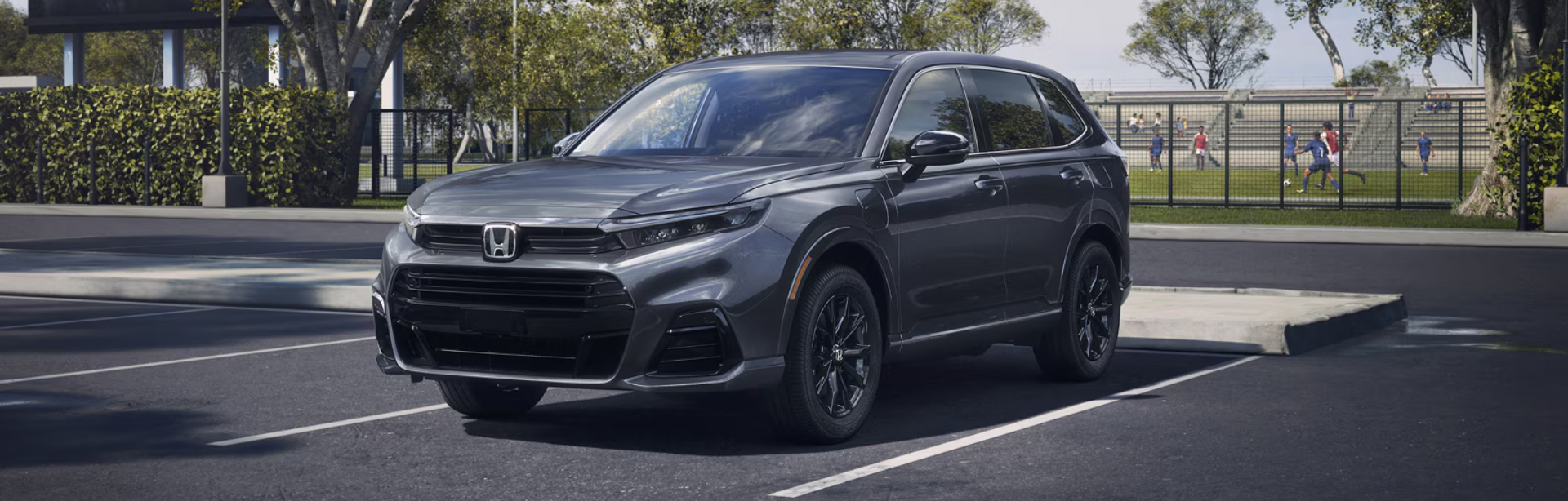
Regenerative braking is an innovative feature in Honda electric vehicles (EVs) that enhances efficiency and extends driving range, especially for the varied terrains around Madison, Fitchburg, Middleton, and Sun Prairie. This system captures energy that would otherwise be wasted during braking, providing a dual benefit of increasing range while reducing brake wear.
Here's how it works: when you lift your foot off the accelerator or press the brake pedal, the electric motor switches roles. Instead of consuming energy to move the vehicle, the momentum from the wheels turns the motor, causing it to act as a generator. This process converts kinetic energy back into electricity, which is then stored in the battery. For instance, navigating the hills along the Beltline or stopping frequently on East Washington Avenue allows your Honda to recover energy efficiently, making it particularly beneficial for daily commutes.
This regenerative process not only enhances your driving range but also lessens the wear on your brake components, which can lead to lower maintenance costs over time. Here's what you might notice while driving:
- Stronger slowdown feel: A noticeable deceleration occurs when you ease off the accelerator.
- Range gains: Your driving range can increase due to the energy recaptured during braking.
- Less frequent brake replacements: Reduced wear on brake pads means fewer replacements.
So, whether you're navigating the hilly streets of Middleton or dealing with stop-and-go traffic near the Dane County Farmers' Market, regenerative braking optimizes your driving experience and keeps your Honda running efficiently. For more insights on how this technology works, check out Edmunds.
What Affects a Honda EV's Battery Range and Performance?
Several factors can impact the distance your Honda EV travels on a single charge and its overall performance. Understanding these elements helps you manage your vehicle's efficiency effectively, especially for drivers in Madison and surrounding areas like Fitchburg, Middleton, and Sun Prairie.
Driving Style: Aggressive driving, including rapid acceleration and high speeds, can significantly reduce range. For instance, if you frequently navigate through downtown Madison's busy streets or take fast-paced trips along the Beltline, you might notice a drop in battery life. In contrast, adopting a smoother driving approach while commuting can help you get the most out of your charge.
Terrain: The local landscape plays a crucial role in energy consumption. Driving in hilly areas, like those near Lake Monona, requires more energy than cruising on flat terrain. However, when you drive downhill, regenerative braking can recover some energy, boosting efficiency. This means that the varied elevations around Middleton can impact your range, so knowing your route can help you plan better.
Temperature: Wisconsin weather, with its cold winters and warm summers, affects battery performance. Extreme temperatures can temporarily decrease an EV's range, a common occurrence for all electric vehicles. For example, during winter months, you might find that your Honda EV's range is lessened on particularly frigid days. To combat this, consider using the pre-conditioning feature while your vehicle is charging to optimize battery performance.
Cabin Comfort: Climate control systems, such as heating and air conditioning, draw power from the battery. While modern Honda EVs are designed to be energy-efficient, utilizing the heater during cold winter mornings in Sun Prairie can impact your range. Balancing comfort and energy use is key, so try adjusting settings wisely to maintain efficiency while enjoying your ride.
How Do You Maintain a Honda EV?
Maintaining a Honda electric vehicle is typically easier and more cost-effective than caring for traditional gasoline cars. With significantly fewer moving parts, there's less to worry about when it comes to service and upkeep.
For Madison drivers, this means no oil changes and no spark plug replacements. Instead, focus on essential maintenance tasks like brake inspections, tire rotations, fluid and coolant checks, and general EV system assessments. These tasks help ensure your vehicle runs smoothly on local roads, whether you're navigating through traffic on East Washington Avenue or enjoying a drive to the Dane County Farmers' Market.
Importantly, the battery and motor in your Honda EV are engineered for long-lasting performance, requiring minimal routine maintenance. For those who appreciate in-depth resources, the official U.S. Department of Energy website has valuable information about EV upkeep. Plus, you can always trust certified Honda technicians for expert care and to address any specific needs your vehicle may have. For further insights on durability and reliability, check out Consumer Reports.
Frequently Asked Questions (FAQs)
Where can I charge a Honda EV around Madison and nearby cities?
Charging options are expanding in Madison and surrounding areas. You can find Level 2 and DC fast-charging stations at various locations, including shopping centers and public parking lots along major routes like the Beltline. Many drivers also choose to install a Level 2 charger at home for the convenience of overnight charging.
Are Honda EVs suitable for local weather conditions?
Yes, Honda EVs are built to perform well in diverse weather conditions. Features like advanced climate control maintain comfort during both hot summers and cold winters. With a low center of gravity, they offer stable handling on slippery roads. Pre-conditioning the battery and cabin while plugged in can further enhance performance year-round. For more information, visit the official Honda website.
How does the Honda EV warranty cover the high-voltage battery?
The Honda warranty provides solid coverage for electric vehicle components, including the high-voltage battery. Typically, this warranty protects against defects for a considerable duration and mileage, giving you confidence in your investment. For specific details, it's best to consult official documentation or your local dealership.
What is the difference between AC and DC charging for a Honda EV?
AC (Alternating Current) charging is the standard method for home charging (Level 1 and Level 2) and is widely available at public stations. In contrast, DC (Direct Current) fast charging offers much quicker recharging, often replenishing a significant portion of the battery in under an hour, and is primarily located along major highways for long trips.
What unique services does Zimbrick Honda offer for Honda EVs?
Zimbrick Honda provides specialized services for Honda EVs, including charging station installation guidance and tailored maintenance programs. Their team is well-trained to handle electric vehicle needs, ensuring you receive expert support throughout your ownership experience.
How does Zimbrick Honda give back to the community?
Zimbrick Honda is a proud supporter of the local community, consistently contributing to the United Way of Dane County. Their commitment to community service reflects their dedication to making a positive impact in Madison and surrounding areas.
About Zimbrick Honda
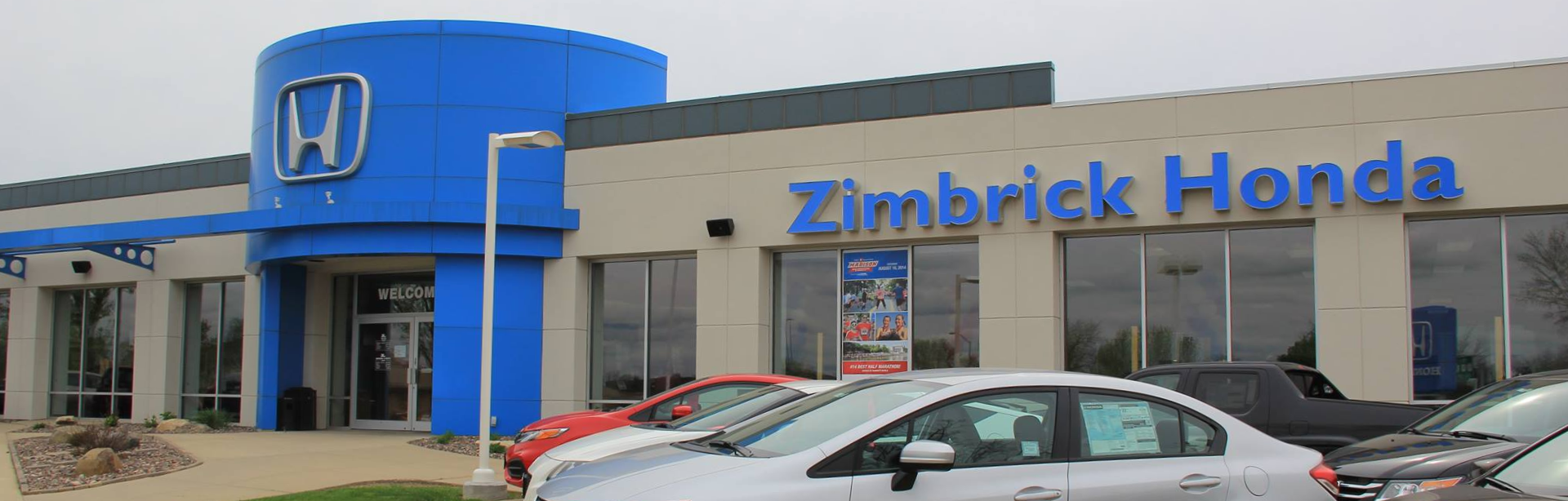
At Zimbrick Honda, our family-owned dealership has proudly served the Madison community since 1973. Our commitment to excellence has earned us numerous Best of Madison and People's Choice awards for sales, service, and even best oil change. We show our appreciation for your business with unique perks like a complimentary tank of gas with your purchase and a free car wash with service. Giving back is also important to us, which is why we are one of the top ten contributors to the United Way of Dane County. We invite you to experience the award-winning service and community focus that sets our team apart.
Related Articles:
The Ultimate Guide to Finding the Best Honda Dealer in Madison, WI